Of course that’s what he said last year (was supposed to deliver on rulemaking in 2015) and pretty much every year before that for the last 15. Aftermarket is now finally making this happen, it would be nice for the government to catch up.
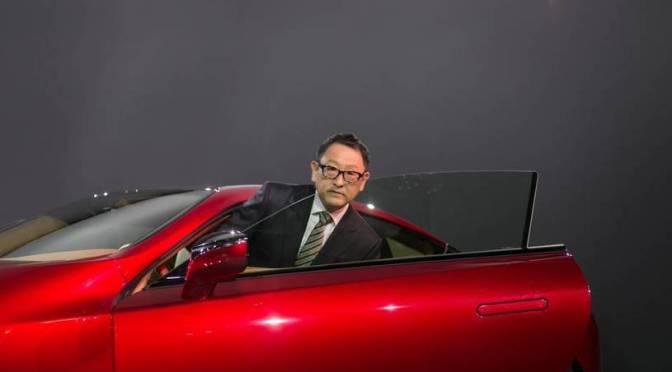
One of those roads will likely be the streets of Tokyo during the 2020 Olympics. If Toyota had not changed course now, they may have been the only one without a car during the procession, that would be embarrassing.
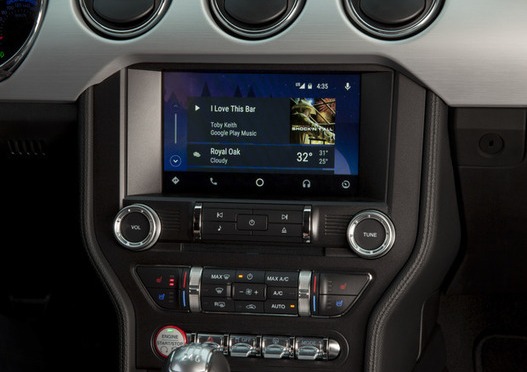
There’s a reason for this — Smart Device Link. Of course SDL integrated systems will still need to provide Apple and Android’s phone experience so the absent OEMs will eventually join the “A-list”.
Never say “never” or so they say. OTA will eventually permeate the industry but it will take time to develop trust. Cost savings are always attractive to carmakers and as soon as OTA can prove that GM may change their mind.
This may be the largest segment of the industry, collectively these automakers represent 58% of the US auto market (http://online.wsj.com/mdc/public/page/2_3022-autosales.html) a formidable competitor (not including global market) to Google and Apple control over the dashboard. Now we need an interoperability standard for SDL to make it universal.
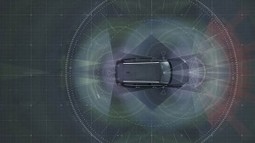
Will this be a trend? I saw the nVidia offering as a sole source solution most automakers will resist. At the same time I applaud their efforts to take a leadership position in software, however closed it really is. GPU based autonomous tries to mimic the human eye, but may limit the brain functions needed as well.
Crowdsourced road information using the cloud seems to be the only way to get these accurate, real-time maps. What will be needed is a standard way to share the data among dissimilar car brands. Anyone? Anyone?
The demo at CES will be shown on Renesas R-Car automotive processor next to the their display because Renesas has made the deepest investment in enabling the platform among automotive silicon makers.
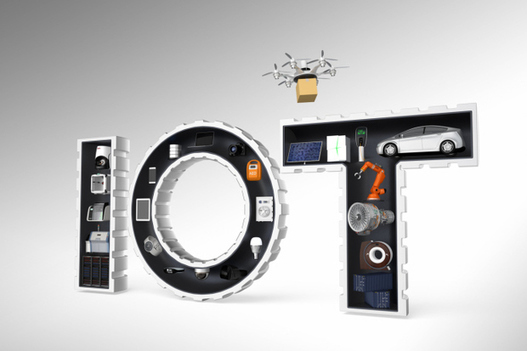
It’s really sad that 802.11p (5.9 Ghz DSRC for Connected Vehicles) never got this much attention and rapid pace toward deployment – whose fault was that? There was plenty of money thrown at it. Since cars are part of IoT I suppose they will need to support HaLow also. This will fall on innovators, not government (BTW it seems NHTSA decided not to issue a DSRC mandate so far).