Join John McElroy as he visits Autonomous Cars 2015! Autoline is bringing you ongoing coverage of the latest industry insights about self-driving cars.
Autonomous driving, safety and security are the hot topics in the industry. Everyone has their ideas – what is needed is to get them all together and move the business forward.
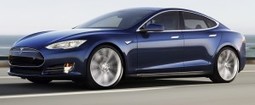
Tesla has been clear that it’s not ready to let the cars take over all of the driving decisions just yet. To engage the autopassing function, for example, drivers will need to manually use the turn signal.
The hardware must have been there all along, it’s amazing how much different Musk thinks than a regular car company. Others would not put a penny worth of extra electronics without charging the customer or the feature, let alone send software down to activate it without a visit to the dealership.
The search giant unveils the name of its next update for smartphones and tablets. Some key features include a new mobile payments system and some tricks for the company’s digital assistant, Google Now.
Is this the one that includes a full IVI implementation similar to QNX, MS-Auto, or Linux (GENIVI)? I’ve not heard yet, but rumors always abound and Android Auto is already moving into production cars so we wonder if this is the next step.
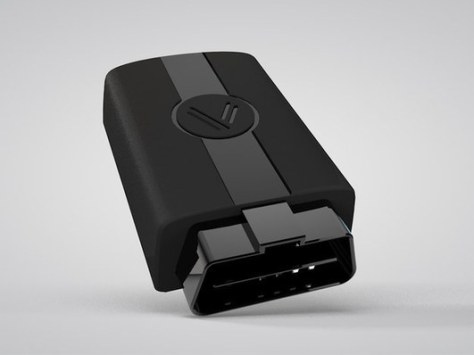
While Haidar would like to see Vinli integrated in new cars before they hit the market, he is still bullish about value of an aftermarket product — particularly in the face of a new Department of Transportation regulatory framework that would require automakers to build vehicle to vehicle (V2V) communication capabilities into all new cars.
I suppose once DOT wireless standards (5.9Ghz DSRC) settle down, Vinli could go out and enable the aftermarket. Now that would make a big difference in safety if more than a few thousand new cars had the tech.
Apple engineer Frank Fearon wrote: “We would … like to get an understanding of timing and availability for the space, and how we would need to coordinate around other parties who would be using [it].”
Sources sound credible – the military records. It will be harder for Apple to keep secrets with a device that drives around on streets, regardless of barbed wire. Detroit figured how to paint on camouflage but you still knew it was a car!
It’s important as we move forward that regulators be certain that unlicensed users would not compromise the integrity of this vital safety initiative. We think the FCC should adopt a “do-no-harm” position until thorough testing is completed and all parties are certain that the spectrum can be shared without interference with safety critical systems.
Importantly, auto manufacturers are moving forward with our supplier partners, Cisco and Denso, to test a potential technological solution that will allow DSRC communications without harmful interference from unlicensed devices.
If Cisco and Denso can prove that 5.9Ghz sharing will work, we may see some progress finally in deploying DSRC. The consumer segment that will gain from access to the spectrum using 802.11ac will pull things forward quickly so money can be made.
This LinkedIn group and topic is consistently the most interactive with commentary. Great discussion – see discussion using the direct link to “Self Driving Cars”










 Hoffmann Group Consulting, LLC