Look for me at Embedded Vision Summit, ADAS Sensors Detroit, AutoSens Detroit, TU-Auto Detroit, GENIVI Showcase at TU-Auto, MCity Open House, and Automotive Sensors Detroit. I’ll share some “chips’ with you.
Engineering teams from the two companies are already developing sophisticated software on NVIDIA’s high-performance AI platform that will enhance the capabilities of Toyota vehicles
An unimaginable amount of software will be needed to put production autonomous cars on real roads. It is a good thing for all technology companies to contribute to the effort since automakers like Toyota are determined to make driving safer through automation. Industry collaboration is a key to meet the scale of effort needed.
In the Smart City you won’t allow any driven cars. You will park and use your credit card to hire an autonomous vehicle which will run along dedicated tracks. One advantage of this is that there will be no need for precise digital road mapping and another advantage is that, as Kure puts it “when you’re hit on the train track it’s your fault not the train’s fault.”
By far the most sensible explanation of how autonomous cars will save lives and money – there will be no pedestrians and no drivers to worry about hitting.
If the car does not “feel” right to the computerized “driver” will it have the sense to pull into a repair center and will the shop have mechanics that know what is wrong? I think George Lucas worked this out, how will Detroit?
DRS360 directly transmits unfiltered information from all system sensors to a central processing unit, where raw sensor data is fused in real time at all levels.
Claiming ISO 26262 ASIL D is a combination of hardware, software and mostly systems integration integrity. Mentor is trying to tackle all three here for autonomous car development.
GM is testing more than 50 Chevrolet Bolt electric vehicles with self-driving technology on public roads in San Francisco, the Detroit metropolitan area and Scottsdale, Arizona
Just hiring “drivers” (safety driver and onboard engineer) for these 50 self-driving Chevy Bolts will require almost 500 people if they run the cars 24×7. I suppose the rest will do the back end analysis and feed data to the developers back in Detroit.
In this case, it is more like Mobileye acquired Intel (automotive BU) which may offer a chance for success. Otherwise, Intel’s history of destroying 8 or of 10 of those acquired will likely result. Intel cannot succeed as a Tier1 supplier to automakers, but maybe Mobileye can.

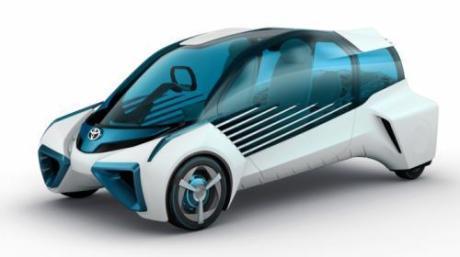 Engineering teams from the two companies are already developing sophisticated software on NVIDIA’s high-performance AI platform that will enhance the capabilities of Toyota vehicles





 Hoffmann Group Consulting, LLC