Clearly the aftermarket is the only way to move the mountain of V2X to enhance safety. Who wanted to have the first FAX machine with nobody to send documents to?
I can see ADAS easily doubling this figure, a good time to have make past investments in automotive silicon development, tough time to enter from scratch with FuSa and security requirements escalating.
Is anyone surprised there will be a commercialization plan for Google’s autocars? Like everything else they do, volume is key so Ford makes sense. CES will be interesting news week.
“Rapidly” is relative, in automotive years this means at least 5-10 because of legacy infrastructure inside the car and in the factory backend. Connected cars is not easy beyond infotainment.
But at the heart of the problem is an outdated connected car model that requires consumers to pay again for services they are already receiving on their smartphone at a much higher quality and ease of use.
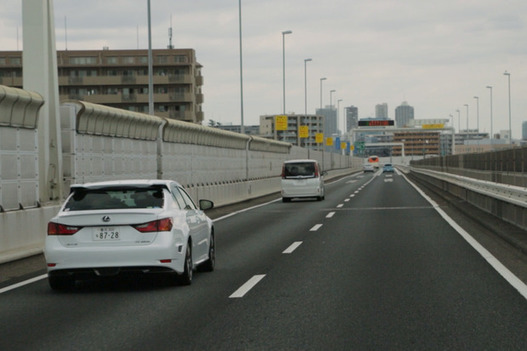
“When you use smaller roads, you have problems with speed, traffic is congested, safety becomes an issue and there are also lower levels of engine efficiency.” In contrast he pointed out the better traffic flow and safety of modern highways.
It’s so much simpler than this, the automotive industry wants a universal network technology and with the internet (IP) inside and outside the car this will finally happen.
Clearly this revolution will involve a lot of automotive electronics and software innovation. GM has the scale to make a very big impact in the next 5 years.





 Hoffmann Group Consulting, LLC